
The next frontier in precision dermatology isn’t just molecular, it’s human
Precision dermatology is becoming increasingly sophisticated – but can nonclinical models keep pace? We explore how biological diversity, skin biomechanics and human ex vivo tissue can help translate molecular precision into New Approach Methodologies (NAMs) that accurately represent the responses of human tissue.
Protective effects of antioxidant mix pre-treatment against visible light-induced damage in dark skin phototype
Visible light (VL) accounts for approximately 50% of the solar radiation reaching Earth’s surface and has emerged as a major contributor to skin photoaging and
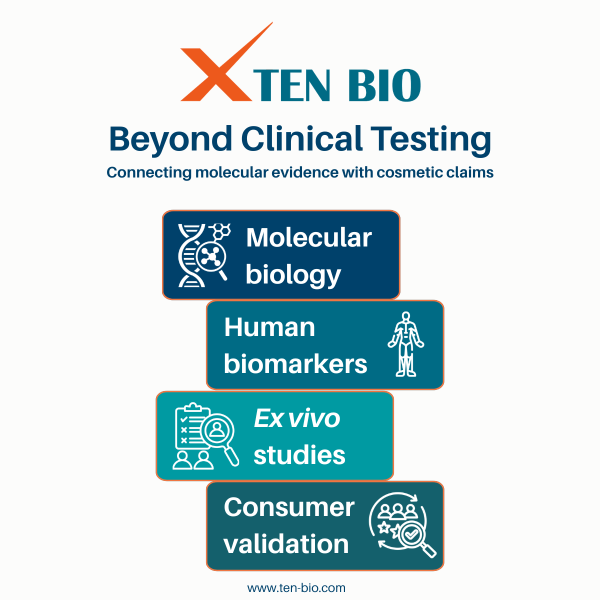
Beyond clinical testing: Why molecular evidence is becoming essential for cosmetic claims
Clinical studies show whether consumers experience measurable product benefits, but they often cannot explain why. In this article, we explore how molecular evidence from ex vivo human skin models are strengthening cosmetic claim substantiation by connecting visible outcomes with the biological mechanisms that drive them.
Can AI improve predictive skin research?
Artificial intelligence is transforming skin research by uncovering biological patterns and predicting tissue responses from increasingly large and complex datasets. But AI is only as reliable as the biological data used to train and validate it. Discover why physiologically relevant human skin models remain essential for translating AI predictions into meaningful biological insight.
Longevity beauty in 2026: From anti-aging claims to biological evidence
Longevity beauty is reshaping the dermo-cosmetics sector, shifting the focus from traditional anti-aging claims toward biologically relevant evidence. As innovations such as peptides, exosomes and microbiome-focused technologies gain momentum, the challenge is no longer simply developing new actives, but demonstrating their impact on skin biology through predictive, human-relevant testing approaches.

From creams to complex molecules: The evolving science of topical delivery
Topical drug delivery has evolved from simple creams to increasingly sophisticated systems designed to transport therapeutic molecules through the skin. While many small molecules can penetrate the skin barrier, larger and more complex therapeutics present new challenges. In this article, we explore how topical and transdermal delivery is evolving and why human-relevant skin models are becoming increasingly important for understanding how new therapies interact with the skin.
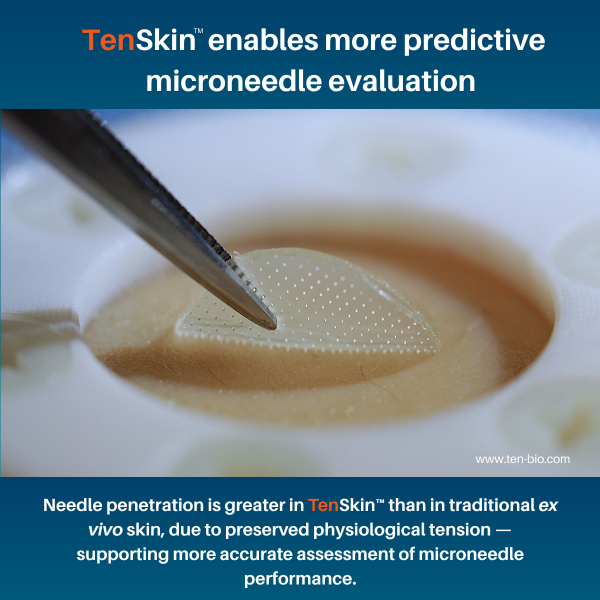
Microneedle testing: why skin tension matters for human-relevant data
Microneedle technologies are advancing rapidly, but accurately assessing their performance depends on how closely test systems reflect real human skin. Preserving physiological tension is a key factor in generating reliable, human-relevant data.
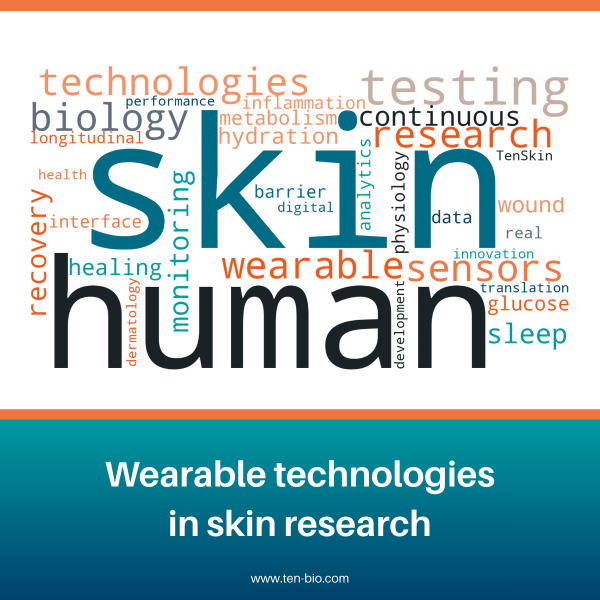
The future of wearable technologies in skin research
Wearable technologies are evolving into platforms that generate continuous insight into skin health and underlying physiology. As devices become more biologically integrated, skin is emerging as a critical interface — shaping what wearables can measure and how reliably they perform. This article explores where skin-interfacing wearables are heading and how TenSkin™ helps bridge early development and real-world use.

Understanding eczema: Beyond symptoms
Eczema (atopic dermatitis) affects millions worldwide, yet many of its underlying mechanisms are still being uncovered. In this article, Professor Alan Irvine outlines what science understands about the condition’s causes — from the role of the skin barrier and immune pathways to the influence of the microbiome and environment — and explains how these insights are shaping innovative approaches to prevention and treatment.

Bridging the gap: Comparing topical drug absorption and activity in mouse and human skin models
Mouse models remain a cornerstone of dermatology research, but their differences from human skin — in follicle density, barrier function, and wound healing — can limit translation. This article explores the critical factors that shape absorption and pharmacological activity, and considers how human-based models can improve predictive power.

Ten Bio’s agile innovation in climate-smart skincare
At Ten Bio, we continually innovate to meet our client’s needs, helping them to overcome their R&D challenges and position themselves at the leading edge of their respective markets. Read about our agile innovation in climate-smart skincare in our latest article…

The Sun Factor
Our patented TenSkin™ model can be used to evaluate the efficacy and tolerability of sunscreens, while also exploring the underlying biological processes that arise following exposure to the sun. In this article, the scientific team at Ten Bio explore the effects of sun exposure and the role of explant skin in the evaluation of sunscreen products and the investigation of the effects of over-exposure.

Ten Bio conferencing in 2024
Ken Fyvie shares plans for the 2024 conference season, read more to find out which events we will be attending.

Tissue integration of hyaluronic acid -containing dermal fillers: an optimized approach using tensioned ex-vivo human skin
Using the TenSkin™ ex-vivo model, this study highlights the importance of mechanical tension in assessing dermal filler integration. TenSkin™ provides a reliable platform for evaluating filler performance and guiding product development.

Precision solutions for your skin research challenges
At Ten Bio we enhance pre-clinical skin testing for our clients through the provision of our unique portfolio of explant skin platform TenSkin™. Our range includes large area models for novel drug delivery system evaluations, the adipose model for applications in subcutaneous injection delivery, and a wounded model for use in treatment & healing evaluations.

As we stride into 2024…
A very Happy and Prosperous New Year to all of Ten Bio’s clients current and future, suppliers, investors, and staff. We are all excited at the prospects of our business in 2024.